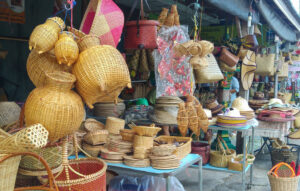


The brackish wetlands of Southern Thailand are home to a remarkable plant that has sustained local communities for generations. Krajood (Lepironia articulata), with its sturdy fibers and remarkable versatility, forms the backbone of a traditional craft industry that provides supplementary income to thousands of rural households. Yet as environmental pressures mount and markets evolve, the future of krajood farming stands at a critical juncture. This exploration delves into the complex challenges facing this traditional industry and the innovative approaches being developed to ensure its sustainability.
Environmental Threats to Krajood Ecosystems
Climate Change Impacts
The coastal wetlands where krajood thrives are increasingly vulnerable to climate change effects. Rising sea levels along Thailand’s southern coastline have altered the delicate balance of fresh and saltwater that creates the ideal growing conditions for krajood. In areas like Thale Noi in Phatthalung province, changing rainfall patterns have disrupted traditional harvesting cycles, with prolonged droughts reducing plant yields and unseasonal flooding damaging mature stems before harvest.
Research conducted by Thaksin University in 2022 documented a 15-20% reduction in krajood yield in key production areas over the past decade, directly attributable to changing climatic conditions. These findings align with local artisans’ observations that the quality and quantity of available raw materials have diminished, particularly in traditional harvesting grounds.
Water Management Challenges
Modern development has brought significant changes to the hydrological systems that support krajood ecosystems. Dam construction, irrigation systems, and water diversion for agriculture and urban use have altered water flow patterns critical to wetland health. In the Lake Songkhla basin, one of Thailand’s most important krajood-producing regions, water management policies often prioritize agricultural and urban needs over wetland conservation.
A senior artisan from Ban Thale Noi, Somjai Chanthawong, explains the impact: “When I was young, we could harvest krajood throughout the wetlands. Now many areas are too dry or the water is not the right quality, and the plants are shorter and harder to work with.”